



With the arrival of fall, unpredictable weather and drying air, this season is not only a time of harvest, but also a time of high incidence of many eye diseases. Understanding and taking steps to prevent these eye diseases is critical to maintaining our eye health. In this article, we will outline several common high-risk eye diseases in the fall and provide practical eye care tips.
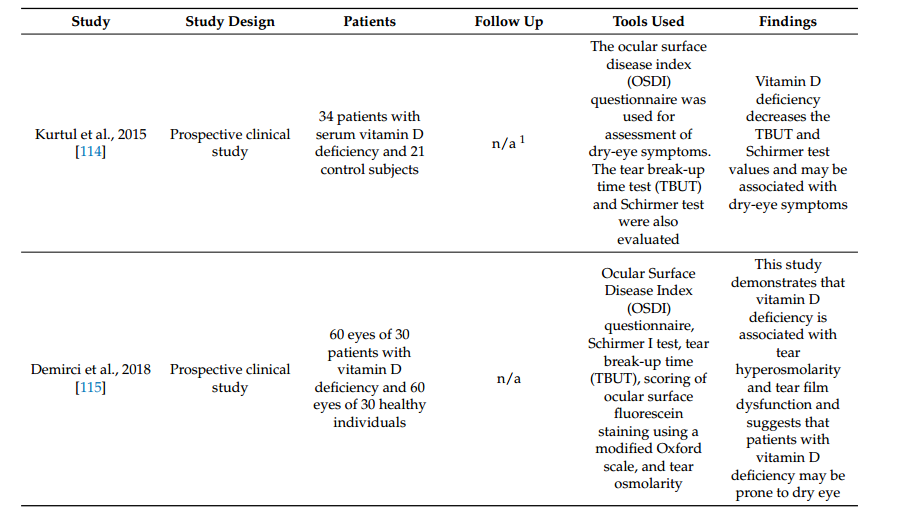
Dry Eye Disease (DED) is a multifactorial chronic disease characterized by a range of symptoms caused by tear film instability, which may be accompanied by ocular surface damage. In response to tear film instability, clinical treatments for dry eye generally take two routes: preventing the corneal surface from drying out, and suppressing the inflammatory response of the eye. Recently there has been a growing number of clinical trials that have identified vitamin D as a possible new avenue for the treatment of dry eye.
The latest research shows:Each additional hour of screen exposure accelerated the retinal age gap by 32 days
Nov 05,2024
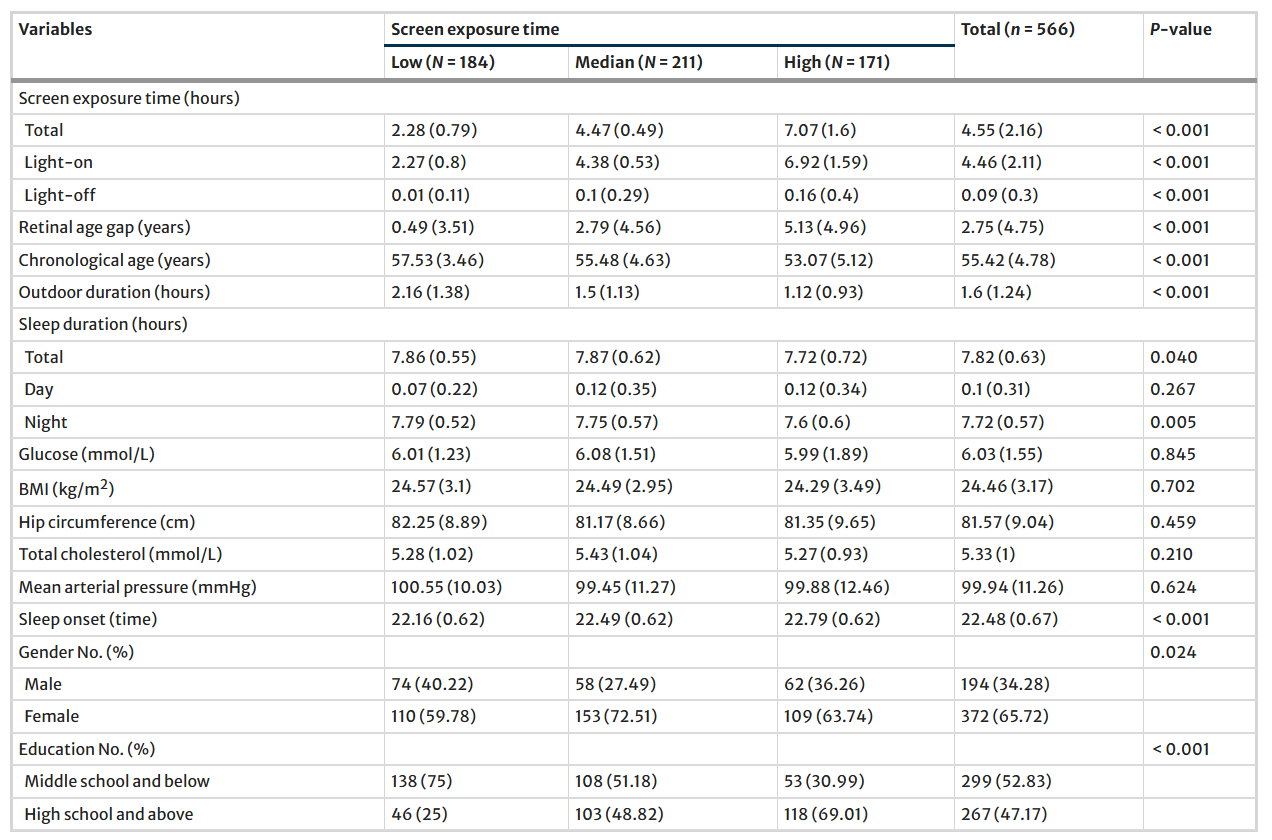
A new study by a team of researchers from Shanghai Eye Disease Prevention &Treatment Center/Shanghai Eye Hospital, School of Medicine, Tongji University has found a correlation between excessive screen usage and greater retinal age gap in middle-aged and older adults. 566 healthy working adults over the age of 45 years were recruited to undergo a general and eye examination in Shanghai, China, 2023.
Smartphones and dry eye symptoms: a study of the influence of different polarized light on ocular health
Nov 05,2024

In the past 20 years, the rapid development of smartphones has led to a surge in the number of Video Display Terminals (VDTs) users from 16 million to 4.68 billion, especially among young people aged 16 to 29 years old, 91% of whom own digital devices. However, the widespread use of VDTs affects blinking frequency and tear secretion, and even leads to ocular discomforts such as dry eye, eye pain, and eyestrain.

Seefunge Pharmaceutical Technology Co., Ltd.
Address: BioPharma Town, Hangzhou City, Zhejiang Province, China